
Why Firefighting Kills Manufacturing Productivity in 2026
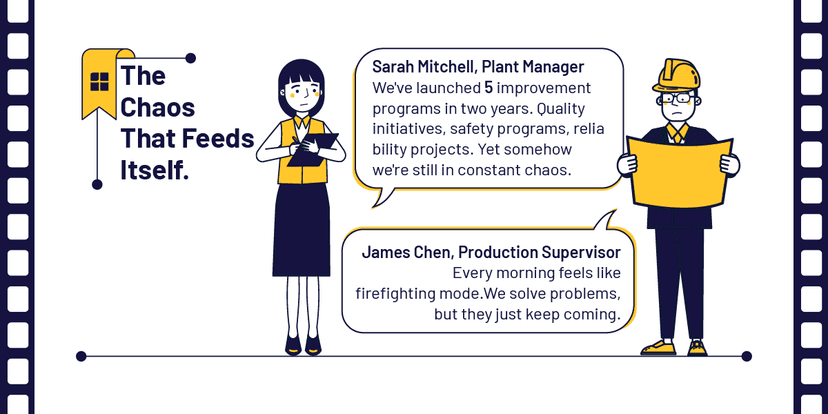
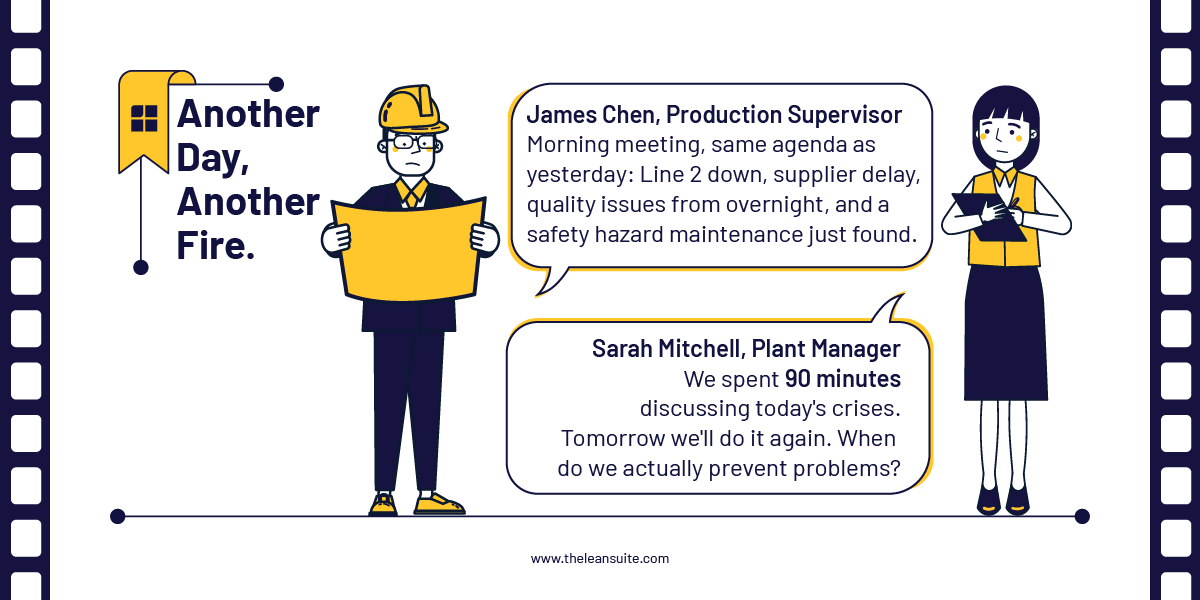
The morning production meeting reveals the same pattern that played out yesterday and will repeat tomorrow. Three lines are down. Quality found defects in overnight production. A critical supplier shipment is delayed. Leadership spends ninety minutes discussing how to navigate today's crises, then disperses to manage emergencies until the cycle begins again the next morning.
This is manufacturing firefighting mode, and it destroys productivity more effectively than any competitive threat or market downturn. Facilities operating in constant crisis response spend 60-70% of management time addressing urgent issues rather than preventing them. The reactive approach appears necessary when surrounded by immediate problems requiring attention.
The Hidden Cost Structure of Reactive Operations
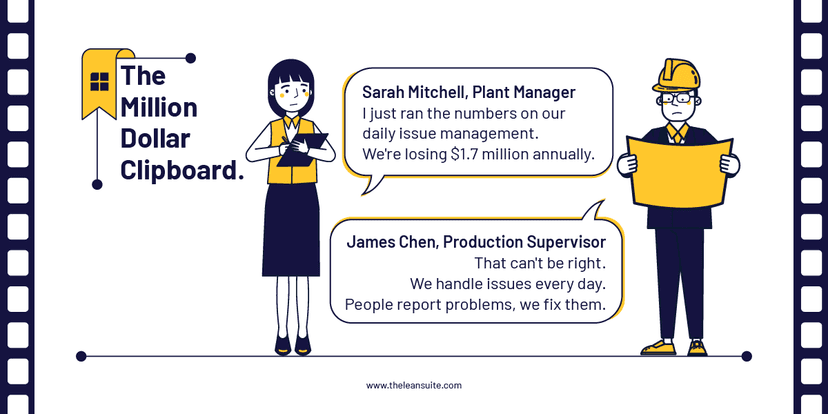
Firefighting creates expense categories that never appear on standard cost reports. The most obvious costs involve direct production losses from equipment downtime, quality defects, and schedule disruptions. These represent the visible portion of firefighting's financial impact. The complete cost structure extends far beyond these immediate losses across several compounding categories.
Operational Inefficiency Multiplier
The larger expense comes from the operational inefficiency created by reactive workflows. When operators spend time working around problems instead of working efficiently, when supervisors coordinate emergency responses instead of coaching teams, the accumulated productivity loss exceeds any single crisis event. Manufacturing operations research indicates that facilities in firefighting mode operate at 60-65% of their theoretical productivity capacity.
Cascade Effect Economics
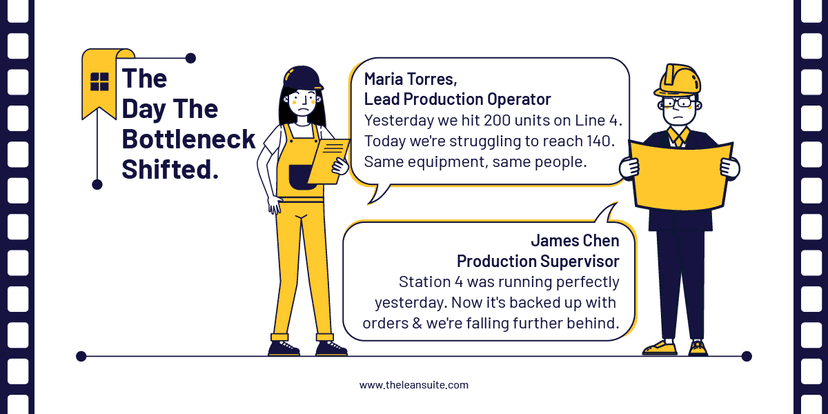
Consider the downstream impact of a single morning equipment failure. The maintenance team responds immediately, pulling technicians from planned preventive maintenance work. Production reschedules other lines to compensate, creating overtime costs and disrupting material flow. Quality increases inspection frequency on the affected line once it restarts. Purchasing expedites component orders, paying premium freight charges. One equipment failure creates a cascade of reactive responses across multiple departments.
Compounding System Degradation
The compounding effect occurs when firefighting becomes the operational norm. Systems and processes designed for efficient steady-state production break down under constant crisis management. Standard work gets abandoned when every day requires unique problem-solving. Training suffers because experienced personnel are too busy fighting fires to develop others. The facility's operational capability gradually degrades as reactive mode prevents investment in systems that would reduce future problems.
Key Insight: Firefighting consumes 60-70% of management time while plants operate at just 65% of theoretical capacity. The invisible tax of constant crisis response compounds through operational inefficiency, cascade effects across departments, and gradual system degradation that prevents the very investments needed to escape the cycle.
Why Manufacturing Operations Stay Trapped in Crisis Mode
The firefighting trap operates through several self-reinforcing mechanisms that make escape difficult without conscious intervention. Understanding these mechanisms reveals why good intentions and hard work alone cannot break the cycle. Five distinct patterns work together to maintain perpetual reactive operations.
Urgency Bias
The immediate visibility of today's problems always dominates attention to tomorrow's potential issues. A production line stopped right now and demanded a response. A hazard that might cause an incident next week can wait. This natural prioritization toward urgent over important locks organizations into reactive patterns.
Misaligned Recognition Systems
Leadership recognition and reward systems often inadvertently encourage firefighting behavior. The supervisor who stays late coordinating an emergency repair receives praise. The engineer who designs a quick workaround to keep production running gets recognized for dedication. These responses solve immediate problems, and organizations naturally reward problem-solving. What goes unrecognized is the prevention work that would have avoided the crisis entirely.
Capacity Constraints
Organizational capacity constraints create situations where firefighting crowds out prevention work. Most manufacturing facilities operate with lean staffing structures. When daily operations run smoothly, available capacity exists for improvement projects. When operations enter crisis mode, all discretionary capacity gets consumed by urgent response. The work that would reduce future firefighting gets postponed.
Measurement Myopia
The measurement and visibility systems in many plants reinforce reactive behavior. Production meetings focus on yesterday's problems and today's risks. Performance metrics track output, quality, and safety lagging indicators. Dashboard reviews examine what went wrong. This backward-looking orientation keeps attention focused on crisis response rather than forward-looking prevention.
Hero Culture Reinforcement
Cultural factors contribute significantly to firefighting persistence. Many manufacturing environments valorize the hero who saves the day through extraordinary effort during crises. War stories get told about the time someone worked thirty hours straight to get a line running. This hero culture makes firefighting feel purposeful and important while the grind of systematic prevention work seems mundane by comparison.
Key Insight: Organizations reward the heroes who solve crises but never celebrate the engineer who prevented the problem. This perpetuates the very chaos they claim to fight because urgency bias, capacity constraints, measurement myopia, and hero culture all work together to make reactive mode feel both necessary and virtuous.
The Productivity Killers Hidden in Daily Chaos
Manufacturing firefighting creates specific productivity drains that compound over time. These losses operate beneath the surface of visible crisis costs, making them difficult to recognize until systematic analysis reveals their magnitude. Five distinct mechanisms destroy productive capacity in ways that never appear on traditional performance dashboards.
Context Switching Cost
The constant context switching required in crisis mode destroys focused work time. An engineer begins analyzing a recurring defect pattern but gets pulled into an emergency production meeting. A supervisor starts coaching an operator but must respond to a line stoppage. Research on knowledge work productivity indicates that frequent interruptions can reduce effective work output by 40% or more compared to uninterrupted focus time.
Communication Overhead
The communication overhead in firefighting mode wastes enormous amounts of productive time. When problems require urgent response, communication becomes frequent, dispersed, and often verbal. Multiple phone calls and radio transmissions coordinate response to a single issue. The time spent communicating about problems often exceeds the time spent solving them.
Decision Quality Deterioration
Decision-making quality deteriorates under constant urgency. When every issue demands immediate response, decisions get made with incomplete information and inadequate analysis. The pressure to resolve situations quickly leads to solutions that address symptoms rather than root causes. Quick fixes create technical debt that generates future problems.
Knowledge Capture Failure
Knowledge capture becomes impossible in firefighting mode. When experienced personnel constantly respond to urgent issues, they lack time to document their expertise, train others, or systematically analyze patterns. Tribal knowledge stays trapped in individual heads rather than becoming organizational capability. When these key individuals are absent or leave, the knowledge disappears.
Improvement Initiative Death
Process improvement initiatives die in firefighting environments. Even when facilities launch improvement programs, daily crisis demands prevent sustained focus on implementation. Project teams struggle to meet because members are constantly diverted to urgent issues. Eventually, improvement initiatives get abandoned as the organization acknowledges they lack capacity to execute while managing daily chaos.
Key Insight: Constant context switching destroys 40% of productive output while communication overhead consumes more time than actually solving problems. Knowledge capture fails, decision quality deteriorates, and improvement initiatives die because crisis response crowds out every activity that would build long-term capability.
The Breaking Point
Manufacturing operations can sustain firefighting mode for extended periods, but certain conditions accelerate the approach toward crisis. These converging pressures eventually render reactive operations unsustainable, forcing organizations to either transform systematically or face operational breakdown. Four trends make firefighting increasingly untenable.
Workforce Pressure
Workforce shortages amplify firefighting's impact because fewer people must handle the same volume of urgent issues. As experienced employees retire or leave, knowledge gaps grow while firefighting workload concentrates among remaining personnel. Eventually, the capacity to manage daily crises becomes insufficient.
Customer Expectation Evolution
Customer expectations for shorter lead times and higher quality create less tolerance for firefighting-induced variation. When customers accepted three-week lead times, facilities had buffer capacity to absorb firefighting disruption. Modern expectations for next-day delivery and zero defects eliminate that cushion.
Regulatory Compliance Stakes
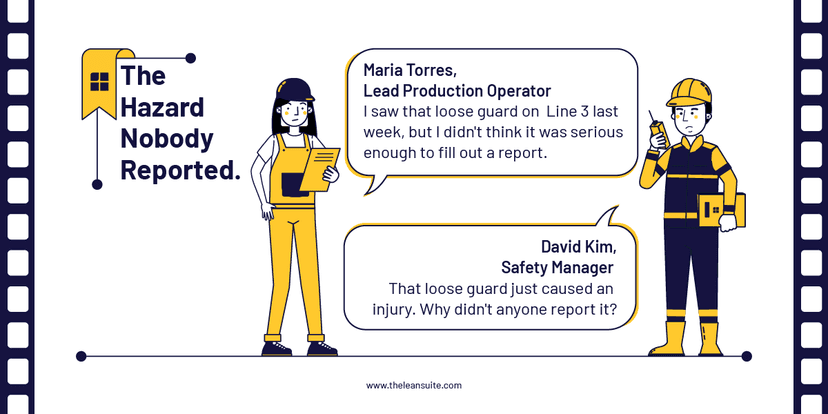
Regulatory compliance requirements raise the stakes for firefighting failures. When safety hazards go unaddressed because everyone is fighting other fires, the facility accumulates regulatory exposure. Eventually, an incident occurs that triggers scrutiny, revealing the systemic issues hidden beneath crisis management.
Financial Margin Compression
Financial pressure magnifies firefighting costs. In strong economic conditions, facilities can absorb the efficiency losses from reactive operations. When margins tighten, the productivity gap between firefighting mode and proactive operations becomes financially material.
Key Insight: Workforce shortages, customer demands, regulatory stakes, and financial pressure converge to make firefighting mode increasingly unsustainable. Eventually the capacity to manage daily crises becomes insufficient and the productivity gap becomes financially material enough to force either systematic transformation or operational breakdown.
Breaking the Firefighting Cycle
Escaping firefighting mode requires deliberate organizational change rather than individual heroics. The transformation demands simultaneous intervention across multiple dimensions that together interrupt the self-reinforcing dynamics sustaining reactive operations. Six critical interventions work together to enable the shift from crisis response to systematic prevention.
Honest Assessment
The transition begins with honest assessment of current state versus desired state. Leadership must acknowledge that the organization operates in constant crisis mode and that this pattern is unsustainable. This acknowledgment often proves difficult because firefighting feels productive and necessary when surrounded by urgent issues.
Systematic Visibility
Creating systematic problem visibility forms the foundation for prevention. When issues get documented in real-time, leadership gains awareness before problems reach crisis proportions. Digital issue tracking systems that capture problems as they occur provide the raw material for pattern analysis and proactive intervention.
Clear Accountability
Establishing clear accountability for problem resolution prevents issues from falling through cracks. When everyone is responsible for firefighting, no one owns prevention. Assigning specific people to resolve documented issues with defined timelines creates systematic follow-through. The accountability system should track both crisis response and prevention work.
Structured Problem-Solving
Implementing structured problem-solving processes channels firefighting energy toward permanent solutions. When crisis response follows defined methodologies that require root cause analysis, organizations gradually reduce recurring issues. The discipline of systematic problem-solving prevents the quick fixes that generate tomorrow's fires.
Protected Capacity
Building proactive systems requires protected capacity. Organizations cannot implement prevention while everyone operates at 100% fighting fires. Creating dedicated improvement resources insulated from daily crisis response allows systematic work on root causes. This might involve designating improvement champions with protected time or establishing project teams with guaranteed meeting schedules.
Recognition Realignment
Changing recognition and reward systems to celebrate prevention alongside crisis response gradually shifts culture. When organizations recognize people who prevented problems rather than only those who solved urgent issues, behavior begins to change. Sharing stories about how systematic approaches avoided potential crises makes prevention work visible and valued.
Key Insight: Escaping firefighting mode requires protected capacity for prevention work. You cannot build the systems that reduce chaos while drowning in chaos because honest assessment, systematic visibility, clear accountability, structured problem-solving, and recognition realignment all require dedicated resources that crisis response will consume unless deliberately protected.
The Path Forward
The transformation from firefighting to proactive operations does not occur overnight. Organizations typically progress through stages as they build prevention capability. Understanding this progression helps set realistic expectations and maintain commitment through the uncomfortable middle phases where old patterns resist change. Five distinct stages mark the journey from reactive chaos to sustainable operations.
Foundation Stage
The initial stage focuses on making problems visible through systematic documentation. Every issue gets captured rather than handled informally. This visibility creates uncomfortable awareness of how many problems actually exist but provides the foundation for improvement.
Accountability Stage
The second stage involves establishing basic accountability and follow-through. Problems documented in stage one now receive assignment, tracking, and closure verification. Issues stop falling through cracks as systematic workflow ensures response.
Root Cause Stage
Stage three introduces root cause analysis discipline. Rather than simply closing issues with quick fixes, the organization begins investigating underlying causes and implementing corrective actions. This stage generates the first significant reduction in recurring problems as proper solutions replace band-aids. The firefighting workload begins to decline.
Prevention Stage
The fourth stage extends prevention through leading indicators and proactive systems. Organizations implement predictive monitoring, preventive maintenance programs, and early warning systems that catch problems before they become crises. The operational mode shifts from reactive response to planned intervention.
Sustainable Operations
The final stage achieves sustainable proactive operations where prevention is embedded in daily management systems. Leaders spend the majority of time on strategic and developmental work rather than crisis management. Firefighting becomes the exception rather than the norm. When crises do occur, they receive systematic responses that prevent recurrence.
Key Insight: Transformation progresses through five stages over 90-180 days: visibility that shocks, accountability that tracks, root cause analysis that prevents recurrence, proactive systems that predict, and sustainable operations where firefighting becomes the exception rather than the exhausting norm that consumes organizational capacity.
LeanSuite: A complete lean manufacturing software
Schedule Demo